I have always been astounded by creation—how designers know what to make and how to design it to achieve a purpose. The process can feel like magic (Kolko, 2011). So many variables come together when people make things that are used, and even more variables are involved when we make things that should evoke an experience in people.
When we research in the field, what do we look for to inform our design when there’s so much happening in a context? How do we know what to make, how it should function, and what it should look and feel like? What do we need to know about the people who will use the things we create?
With any degree of certainty, can we create something supporting a rich experience that people will value?
These questions sparked my research to discover essential factors that comprise scenes where people use products, services, and systems. Not only did I want to know what designers said about these experiences, but I also wanted to know what psychologists, philosophers, anthropologists, artists, physicists, and poets said about them. I wanted to know what they say an experience is.
I wanted to learn the full vocabulary of details that make up people’s experiences when using design.
All this was so I could understand how to create, research, and teach experience design—an approach to designing considering a person’s complete experience as the impetus for design. For example…
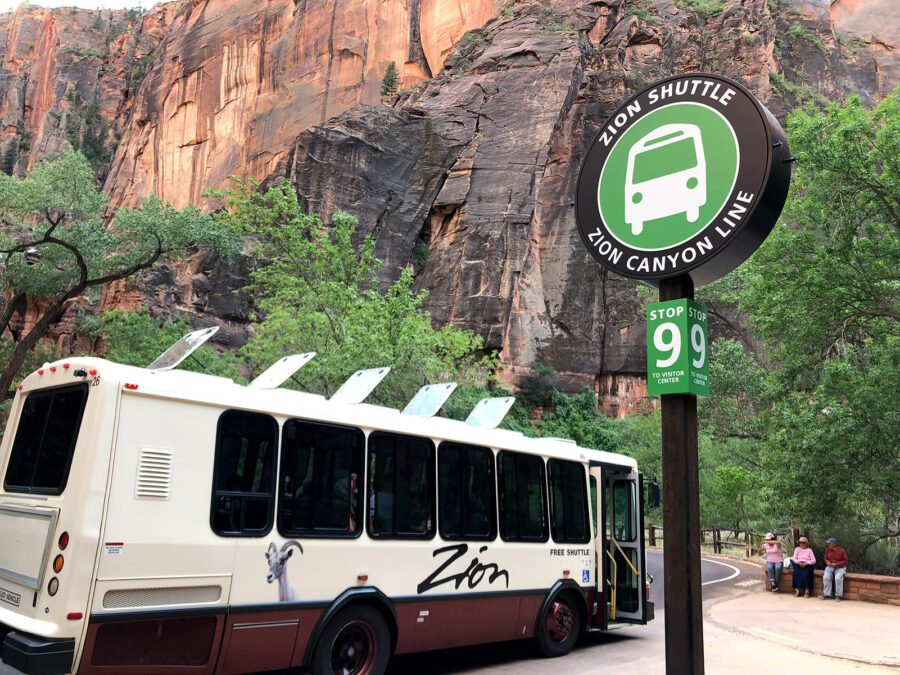
How we design services like Zion National Park’s shuttle service that reduces environmental impact and improves visitors’ engagement with the canyon because auto traffic is eliminated.
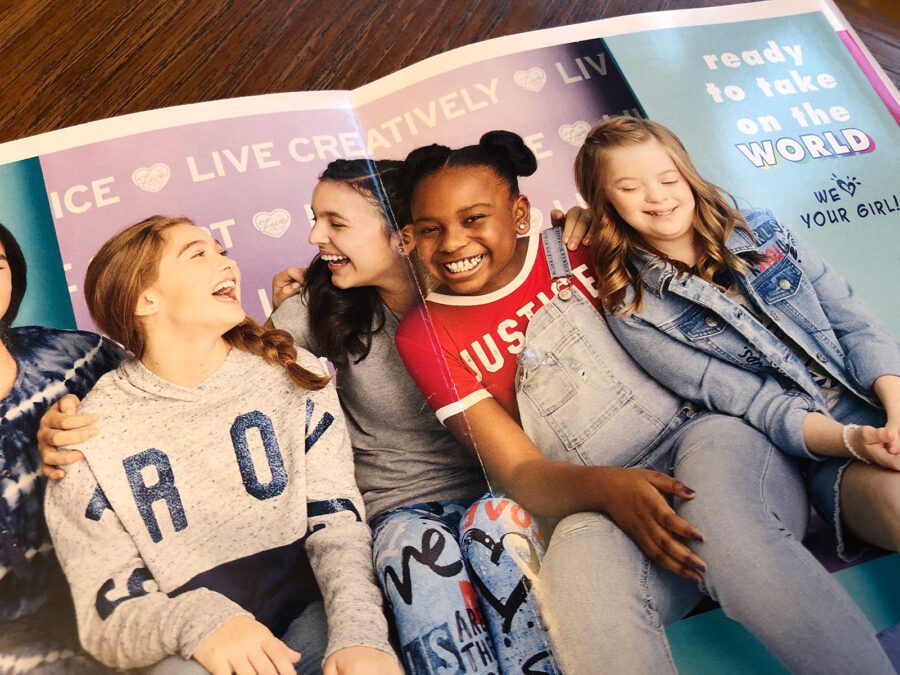
How designers can create materials that tell the story of an inclusive world of people, like this mailer by Justice that includes girls with Down syndrome.
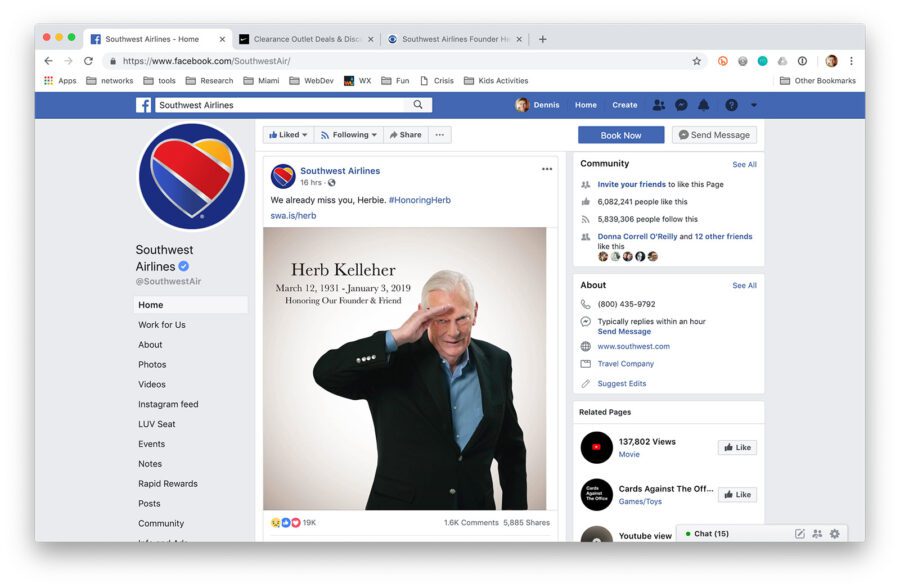
How thoughtful touches and messages of care and concern belong in design. When Southwest Airlines founder Herb Kelleher died in 2019, Southwest employees personally responded to every condolence post on the airline’s Facebook page.
“I’ve learned that people will forget what you said, people will forget what you did, but people will never forget how you made them feel.”
Maya Angelou
I wanted to know how designers of all kinds can research and create outcomes that make people feel.