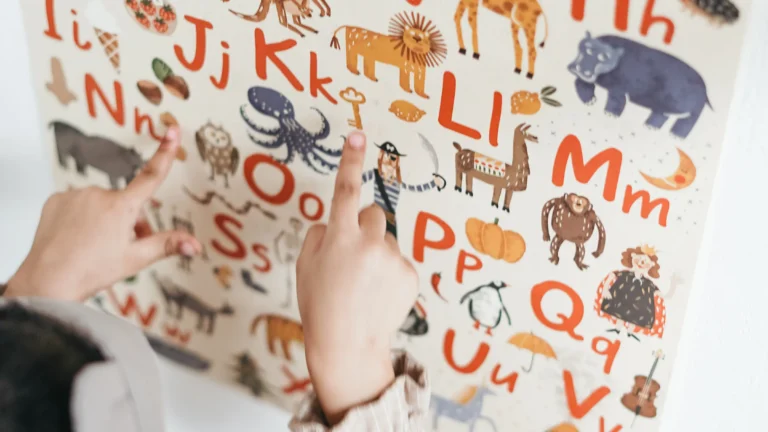
The style of a design can make it feel like it belongs in a time and place. Styling can also cause a design to look foreign and awkward. For a product, service, or system to be successful, its style should match its intended context. If a 1980s-themed t-shirt design is effectively styled, it will feel like a retro version of the 80s. If the 1980s styling is not well-executed, the shirt will look like a tired version of the 80s—not a cool retro style but an embarrassing knock-off. Details define a design outcome’s style. They set the way the design “feels.”
Examples of the Style Factor
- Minimalist aesthetic
- Retro design
- Playful colors
- Professional finish
Researching Style
Research to determine style helps designers pinpoint what makes it distinctive and unique. This can reveal if a design is out of place in a context.
Questions to Ask
- Does the style make clear what the outcome was designed to do?
- Is it clear who the design is for?
- What details about the style make it distinctive?
- What is the look and feel of the design?
- Does it feel retro? Urban? Sleek and modern?
Look For…
- Color choices
- Materials
- Typography
- Composition
- References to style from a time in history
- Hints that the design should feel futuristic
- Details that represent masculinity or femininity
- Ways the design’s style suggests it is for specific people and not for others
Sources
Design
Alben, L. (1996). Quality of experience: defining the criteria for effective interaction design. Interactions, 3(3), 11-15. doi:http://dx.doi.org/10.1145/235008.235010
Georgiev, G., Yamada, K., & Taura, T. (2017). Dynamics of shifting viewpoints: An investigation into users’ attitudes towards products. Journal Design Research, 15(1), 62-84. doi:10.1504/JDR.2017.10005350
Hekkert, P., & Leder, H. (2008). Product Aesthetics. In Product Experience (pp. 259-285). Elsevier. doi:10.1016/B978-008045089-6.50013-7
Heller, S., & Fili, L. (2006). Stylepedia : a guide to graphic design mannerisms, quirks, and conceits. Chronicle Books.
Jääskö, V., & Mattelmäki, T. (2003, June 23-26). Observing and probing. Proceedings from 2003 international conference on designing pleasurable products and interfaces (DPPI ‘03), Pittsburgh, PA.
Kattelman, B. (2022/2022). The Sound of Evil: How the Sound Design of Hereditary Manifests the Unseen and Triggers Fear. Horror Studies, 13(1), 133–148.